Fire Damage Cleanup: Step-by-Step Actions for Homeowners
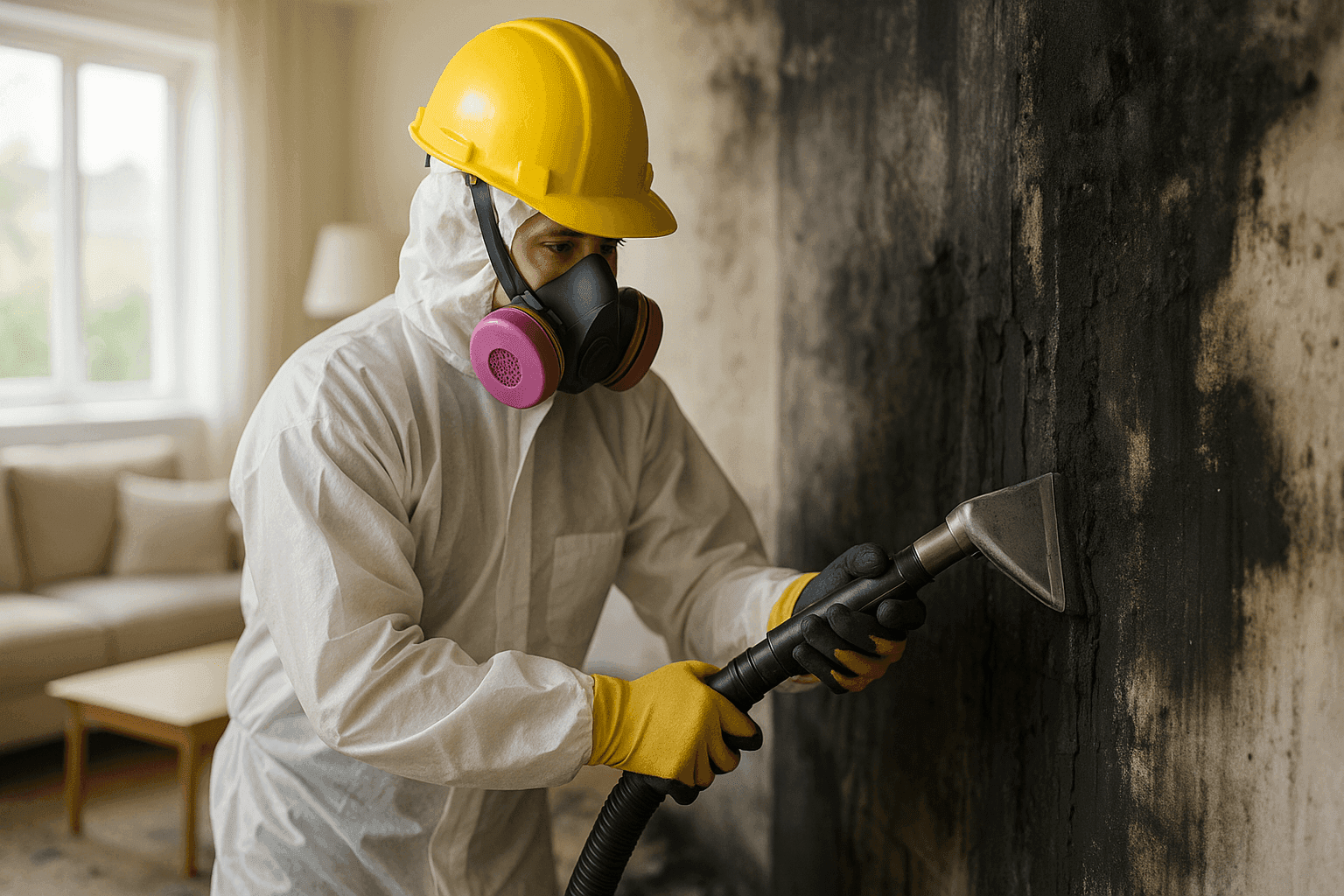
The aftermath of a house fire feels like standing in the eye of a storm—overwhelming, confusing, and deeply personal. Your home, once a safe haven, is suddenly a patchwork of charred memories and uncertain next steps. At SM & Son Restoration, we understand just how tough these moments are. Every minute matters. Every decision counts.
If you’re reading this, you’re looking for clarity. What should you do first? What’s safe? Who can help? Let’s walk through the immediate actions and longer-term steps to take after fire_damage, so you can reclaim your space and peace of mind.
The Scenario: Facing Fire Damage at Home
Fire_damage doesn’t just scorch walls and ceilings. It seeps into the air, the structure, and even the smallest belongings. Smoke and soot can cling like stubborn shadows. Water from firefighting efforts lingers, threatening mold and further harm. The scene can feel chaotic, but with the right approach, you can steer clear of common pitfalls.
Quick Safety Checklist 🛑
Fire scenes are unpredictable. Before you do anything, run through these safety checks:
- Wait for official clearance: Never re-enter until the fire department or authorities say it’s safe.
- Check for visible hazards: Watch for structural instability (sagging ceilings, buckling floors), broken glass, exposed nails, or sharp debris.
- Shut off utilities: If safe, turn off gas, electricity, and water at the main valves to prevent leaks or shocks. If unsure, wait for licensed technicians.
- Wear protective gear: Sturdy boots, gloves, a long-sleeve shirt, and an N95 mask help guard against glass, ash, and hazardous dust.
- Be alert for hidden dangers: Sniff for gas, listen for hissing, and look for wet spots or electrical wires.
The National Fire Protection Association (NFPA) stresses: safety comes first. Never risk your well-being for belongings.
Documenting Damage for Insurance
Think like a detective. Your insurance company will want a clear picture of what happened.
- Take wide and close-up photos of every affected area, including ceilings, floors, walls, and contents.
- List damaged items room by room. Include brand names, models, and approximate values where possible.
- Don’t throw anything away yet—even ruined items help document your loss.
- Save receipts for any emergency purchases (hotels, clothing, meals).
- Contact your insurer as soon as possible. Ask about temporary housing or emergency funds.
Pro tip: Digital backups keep your records safe if paperwork is lost or damaged.
Safe Entry Protocols: What to Know Before Going In
Re-entering your home after fire_damage is more than just opening the door. It’s like walking into a house of cards—one wrong move and things can collapse.
- Test doors and floors for heat or weakness before stepping in.
- Bring a flashlight, not candles or open flames.
- Limit time inside to reduce exposure to lingering smoke and particulates.
- Keep children and pets away until cleanup is complete and air is clear.
If the structure seems unstable, call for professional help. Never try to shore up walls or ceilings on your own.
Initial Fire Damage Cleanup Steps
The first hours matter. Here’s what you can do safely:
- Open windows and doors (if weather allows) to ventilate smoke and fumes.
- Remove loose debris with gloved hands or a shovel, but don’t disturb charred structural elements.
- Place tarps or boards over broken windows and doors to keep out rain and unwanted visitors.
- Use fans cautiously: Only if outlets and wiring are undamaged and dry.
- Elevate undamaged furniture: Place on blocks or foil to avoid water wicking up from wet floors.
If power is out, inquire about "Temporary Power near you" from qualified professionals.
Handling Smoke and Soot
Smoke and soot are sneaky—like stubborn stains you can’t see until you turn on the light.
- Don’t wipe walls or ceilings with standard household cleaners. They can set stains or make them worse.
- Vacuum loose soot with a HEPA-filter vacuum (not a regular one, which can blow particles around).
- Avoid using water on electrical items or delicate surfaces.
- Bag and isolate heavily sooted textiles until they can be professionally cleaned.
According to the Institute of Inspection, Cleaning and Restoration Certification (IICRC), improper soot cleanup can cause permanent stains and lingering odors.
Protecting Valuables and Important Documents
- Remove undamaged valuables first: Jewelry, passports, legal papers, family photos.
- Store in a safe, dry place—away from the affected area if possible.
- Consult with restoration pros about technical reconditioning for electronics or sensitive items.
Emergency Board-up and Temporary Fencing
Broken windows and doors are like a welcome mat for the elements—and sometimes, unwanted guests.
- Nail plywood over openings to deter theft and keep out rain or animals.
- Set up temporary fencing if you have a large or exposed property.
If you’re not handy with tools, pros can handle emergency board-up and install temporary fencing quickly and securely.
DIY vs. Call a Pro: Know Your Limits
It’s tempting to do it all yourself, but fire_damage is no ordinary cleanup. Some jobs are best left to certified technicians.
DIY-safe tasks:
- Taking photos and inventory
- Light debris removal
- Ventilating rooms (when safe)
Call a pro for:
- Structural stabilization
- Smoke and soot removal from HVAC systems
- Odor removal using industrial-grade tools
- Water extraction and dehumidification
- Pack-out services for cleaning and storage
- Technical reconditioning (electronics, antiques)
- Content cleaning with specialized methods
Attempting professional-level restoration without training can lead to injuries, mold growth, or permanent damage. Always check credentials—look for IICRC or similar certifications.
What Pros Do On Arrival
When SM & Son Restoration arrives, you’re not just getting manpower—you’re getting experience, safety, and specialized equipment.
- Damage assessment: Using moisture meters, thermal cameras, and trained eyes.
- Temporary power: Setting up generators or safe power sources to run essential equipment.
- Pack-out services: Carefully inventorying and moving salvageable items offsite for advanced cleaning.
- Content cleaning & technical reconditioning: Using ultrasonic baths, ozone chambers, and advanced solvents.
- Water extraction & dehumidification: Removing standing water, then drying the structure with industrial air movers and dehumidifiers.
- Remote monitoring: Tracking moisture and air quality in real time to prevent future issues.
- Structural stabilization: Bracing walls, ceilings, and roofs to prevent collapse.
- Corrosion control: Immediate treatment for electronics, appliances, and metals to halt further deterioration.
Pros also coordinate with your insurance company, providing detailed reports and photo evidence to smooth the claims process.
Prevention & Maintenance
Once the flames are out and cleanup is underway, prevention becomes your next shield.
- Install smoke alarms in every sleeping area and test monthly.
- Keep fire extinguishers on hand—especially in the kitchen and garage.
- Have chimneys and heating systems inspected annually.
- Store flammable materials safely, away from heat sources.
- Develop a family escape plan and practice it twice a year.
The U.S. Fire Administration offers free guides on home fire safety—make use of them.
Costs & Time Factors
Every fire_damage event is unique, but here’s what can affect costs and timelines:
- Severity of damage: Minor smoke cleanup may take a few days, while structural repairs can stretch for weeks.
- Size of home: Larger spaces take longer to assess and restore.
- Type of materials affected: Hardwood, drywall, and electronics need specialized care.
- Insurance coverage: Some policies cover temporary housing or expedited services.
- Seasonal demand: Storms or holidays can affect availability and speed of service.
Remember, rushing can lead to missed hazards or incomplete repairs. Quality restoration takes time.
When It’s an Emergency 🚨
Certain red flags mean you should step back and call for immediate help:
- Sagging ceilings or floors: Risk of collapse.
- Lingering, pungent odors: Could signal hidden fire or hazardous chemicals.
- Wet or buzzing electrical outlets: Shock or fire risk.
- Visible mold: Starts quickly in the damp, post-fire environment.
If you spot these signs, leave the home and call for professional emergency restoration. Don’t wait.
FAQ: Common Questions From Homeowners
Q: Can I clean smoke stains myself?
A: Light wiping is okay for small, non-porous surfaces. For walls, ceilings, or fabrics, use professional help to avoid setting stains or spreading toxins.
Q: How soon should restoration start after a fire?
A: As soon as the fire department clears the site, start mitigation. Waiting increases damage—especially from water and soot.
Q: What’s the first thing to remove from my home?
A: Important documents, valuables, and medications. Next, salvageable personal items if it’s safe.
Q: Are odors permanent?
A: Not if addressed quickly with professional odor removal and ozone treatment.
Local & Seasonal Considerations
Fires don’t wait for a convenient time. Around holidays, families often use candles, space heaters, or cook more—upping fire risks. Storms can knock out power, complicating cleanup and slowing emergency response.
If fire_damage strikes during a storm or busy season:
- Ask about emergency board-up and temporary power near you to keep your home secure and safe.
- Check for frozen pipes or water intrusion after winter fires.
- Plan for potential delays in restoration services during community-wide emergencies.
Take the Next Step—We’re Here for You
Fire_damage is overwhelming, but you don’t have to face it alone. The right actions, taken quickly and safely, can make the road to recovery smoother and less stressful. From pack-out to technical reconditioning, from emergency board-up to odor removal, certified professionals like SM & Son Restoration bring skill and care when you need it most.
Call SM & Son Restoration now — or reach us anytime at 844-494-1784 .