Understanding Fire Damage Restoration Costs: What Homeowners Should Expect
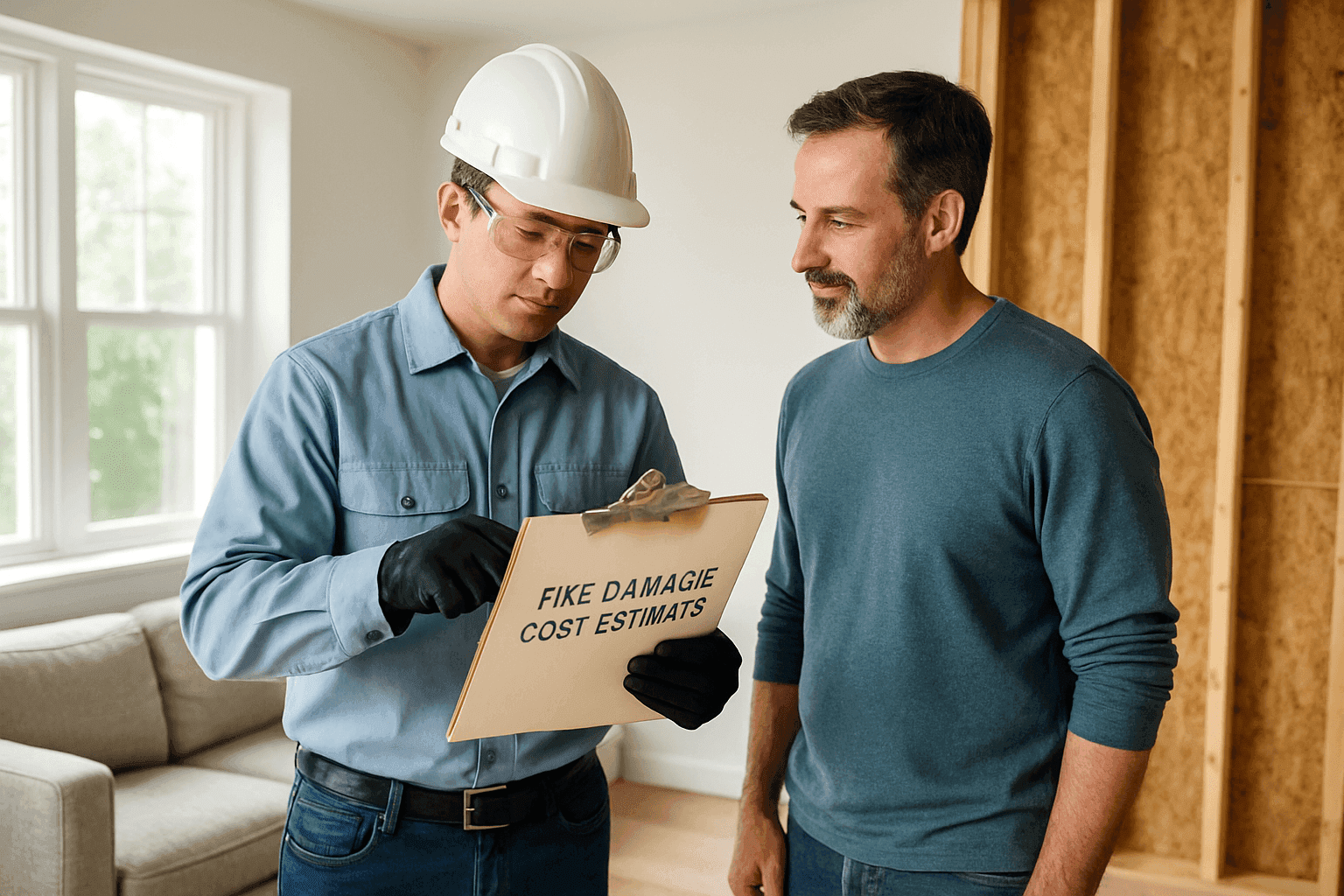
Fire isn’t just a force—it’s a shockwave that can rattle any home and homeowner. When the smoke clears, questions about fire_damage, safety, and costs come rushing in. At SM & Son Restoration, we know what’s at stake. We’re here to help you understand what to expect, how fire restoration costs are determined, and how to keep your family and investment protected.
Restoration is more than just cleaning up. It’s about putting your life—and home—back together with care, clarity, and the right expertise. Let’s break down the real-world steps, costs, and choices that come after a fire.
After the Fire: What Happens Next?
The aftermath of a house fire can feel overwhelming. There’s the visible damage: charred walls, soot-stained ceilings, lingering smells. But there’s also what you can’t see—structural issues, hidden moisture, and corrosion that can worsen over time. Quick action is vital, but so is having a clear plan.
Quick Safety Checklist 🛑
Before anyone steps inside, make sure these essentials are checked off:
- Wait for fire officials to declare the site safe.
- If the structure’s integrity is in doubt, don’t enter.
- Turn off utilities (gas, water, electricity) until cleared.
- Wear protective gear—think of it like a raincoat in a toxic storm.
- Document damage with photos or video for insurance.
- Secure pets and keep children away from the site.
- Call your insurance provider as soon as possible.
The first hours matter. Prioritize safety, then start your restoration journey.
DIY vs. Calling a Pro
It might be tempting to start cleaning up yourself, but fire_damage restoration isn’t like scrubbing up after a kitchen spill. Soot and smoke can seep into walls and surfaces. Water used to put out the fire can hide in insulation or flooring, setting the stage for mold.
Professional restoration services—like those at SM & Son Restoration—bring specialized equipment (think: industrial dehumidifiers, HEPA vacuums, technical reconditioning tools) and expertise to handle hidden hazards. Homeowners can handle minor debris removal, but major work calls for certified pros.
What the Pros Do on Arrival
When our team arrives, it’s not just about rolling up with vacuums and mops. Here’s what you can expect:
- Damage Assessment: A detailed walk-through to log and photograph all fire_damage, from obvious burns to subtle soot stains.
- Emergency Board-Up: Securing windows, doors, and the roof to keep out weather and trespassers.
- Temporary Power Near You: If the fire has knocked out electricity, we set up safe temporary power sources for lighting and equipment.
- Water Extraction & Dehumidification: Removing standing water and drying out soaked areas to prevent mold.
- Structural Stabilization: Shoring up weak floors, walls, or ceilings to make the home safe for restoration crews and your family.
- Content Pack-Out: Safely packing, inventorying, and moving salvageable belongings off-site for cleaning.
- Smoke and Soot Removal: Deep cleaning of walls, ceilings, and HVAC systems.
- Odor Removal: Using advanced filtration and ozone treatments to eliminate lingering smells.
- Remote Monitoring: Tracking moisture and air quality during the restoration process.
Each home’s needs are unique, but the goal is always the same: restore safety, salvage what can be saved, and set the stage for full recovery.
Prevention & Maintenance Tips
While you can’t always predict a fire, you can lower your risks and prepare:
- Install and regularly test smoke alarms in every room.
- Keep fire extinguishers in accessible spots—especially kitchens and garages.
- Store flammable items (paints, solvents) away from heat sources.
- Create and practice a home fire escape plan with your family.
- Schedule annual chimney and HVAC inspections.
- Keep electrical systems up to code—consult local guidelines like those from the National Fire Protection Association (NFPA).
A little prevention can mean the difference between a close call and a catastrophe.
Costs & Time Factors: What to Expect
Talking about money after a fire is tough, but it’s necessary. Restoration isn’t a one-size-fits-all process. Costs can range from a few thousand dollars to significantly more, depending on how much of the home is affected and what needs to be done.
What Drives Fire Damage Restoration Costs?
Several factors shape your restoration bill:
- Type and Extent of Damage: Surface smoke damage is less costly than deep structural burns or widespread water damage.
- Emergency Services: Services like emergency board-up, water extraction, or temporary power near you add to initial costs.
- Content Restoration: Cleaning and storing salvageable belongings (pack-out services, technical reconditioning) can be significant.
- Reconstruction: Rebuilding damaged walls, floors, and roofs is usually the largest expense.
- Specialized Services: Odor removal, environmental cleaning, corrosion control, or remote monitoring require extra technology and expertise.
- Structural Stabilization & Environmental Concerns: If the fire compromised beams or released hazardous materials (like asbestos), costs and timelines increase.
- Regional and Seasonal Factors: Extreme weather or local building code updates can influence labor and material costs.
Typical Ranges and What Can Affect Them
Fire_damage restoration can be as varied as the homes themselves. Here’s what affects the range:
- Severity: Minor kitchen fires may need only cleaning and deodorizing. Large-scale fires could require full reconstruction.
- Size of Home: More square footage means more labor and materials.
- Hidden Damage: Moisture trapped in walls, unseen smoke infiltration, or electrical system issues can add surprises.
- Insurance Coverage: Policy limits and deductibles affect out-of-pocket costs.
- Timeline: Emergency work or after-hours services may carry higher rates.
Bulleted cost influencers:
- Type of materials affected (wood, drywall, masonry)
- Need for temporary fencing or environmental services
- Extent of content cleaning and pack-out
- Local permit and inspection fees
- Duration of remote monitoring after restoration
When It’s an Emergency 🚨
Some scenarios can’t wait:
- The structure isn’t safe to enter.
- Utilities are compromised.
- Further weather damage threatens the site.
- Smoke and soot are spreading quickly, risking permanent stains.
In true emergencies, call a certified restoration provider for immediate board-up, temporary power, and stabilization. Fast action prevents further loss.
Navigating Insurance: What Homeowners Need to Know
Dealing with insurance can feel like learning a new language overnight. Here’s how to make it smoother:
- Contact your insurer right away. Provide documentation and photos.
- Ask what’s covered. Most homeowner policies include fire_damage, but coverage for smoke, water, and content restoration can vary.
- Keep receipts for all emergency services, hotel stays, and temporary living expenses.
- Meet with the adjuster. Walk them through the property together and point out all damage, including less visible issues.
- Compare professional estimates. Ensure they break down labor, materials, emergency services, content restoration, and specialized treatments.
- Ask about code upgrades. Sometimes, rebuilding to meet updated codes is required and may be covered.
Essential questions for your contractor:
- Are you licensed and certified for fire_damage restoration?
- What services are included in your estimate?
- How do you handle changes if hidden damage is found?
- Will you coordinate directly with my insurance adjuster?
- Can you provide references from recent residential projects?
What’s Included in a Professional Estimate?
A reliable restoration estimate should be transparent and detailed. Expect to see:
- Scope of work (broken down by room/area)
- Types of services (emergency, cleaning, reconstruction, etc.)
- Materials and equipment listed
- Estimated timeline for each phase
- Notes on specialized needs (dehumidification, odor removal, technical reconditioning)
- Exclusions and possible extra charges if new issues are discovered
Comparing quotes? Make sure you’re looking at apples to apples—not just the bottom line, but what’s actually covered.
Why Choosing Certified Restoration Matters
Not all restoration companies are created equal. Certified professionals (look for IICRC or similar credentials) follow industry standards, use approved equipment, and know how to navigate local codes and safety guidelines. This means fewer surprises, safer results, and less risk of hidden fees or work that has to be redone.
Cheap, uncertified work can leave you with incomplete cleanup, lingering odors, or even future health risks. When your home and peace of mind are at stake, choose restoration partners with a proven track record and the right credentials.
FAQ: Common Fire Damage Restoration Questions
How long does fire restoration usually take?
It depends. Minor smoke cleanup can take a few days; major restoration may last weeks or months. Uncovering hidden damage can add time.
Will my insurance cover everything?
Most policies cover fire_damage itself, but coverage for belongings, code upgrades, and certain services (like temporary fencing or environmental cleaning) can vary. Always review your policy and ask your adjuster.
Can I stay in my home during restoration?
If the damage is minor and safety isn’t compromised, sometimes yes. But if there are structural or air quality concerns, you may need to relocate temporarily.
What about my valuables and documents?
Professional pack-out services handle, inventory, and clean salvageable items—including important papers and electronics.
Local and Seasonal Considerations
Restoration challenges can change with the seasons. In colder months, frozen pipes and snow add urgency to emergency board-up and dehumidification. In humid climates, mold growth is a faster risk—making quick water extraction and remote monitoring essential. Local building codes and permit requirements also influence timelines and costs, so make sure your restoration team is familiar with your area’s specifics.
The Bottom Line
Fire_damage restoration is a journey—one best navigated with guidance, patience, and the right team. Make safety your first priority. Document everything. Ask questions, and insist on detailed estimates from certified professionals. With smart choices and clear information, you can rebuild stronger.
Call SM & Son Restoration now — or reach us anytime at 844-494-1784 .