How to Prevent House Fires: Practical Tips for Every Season
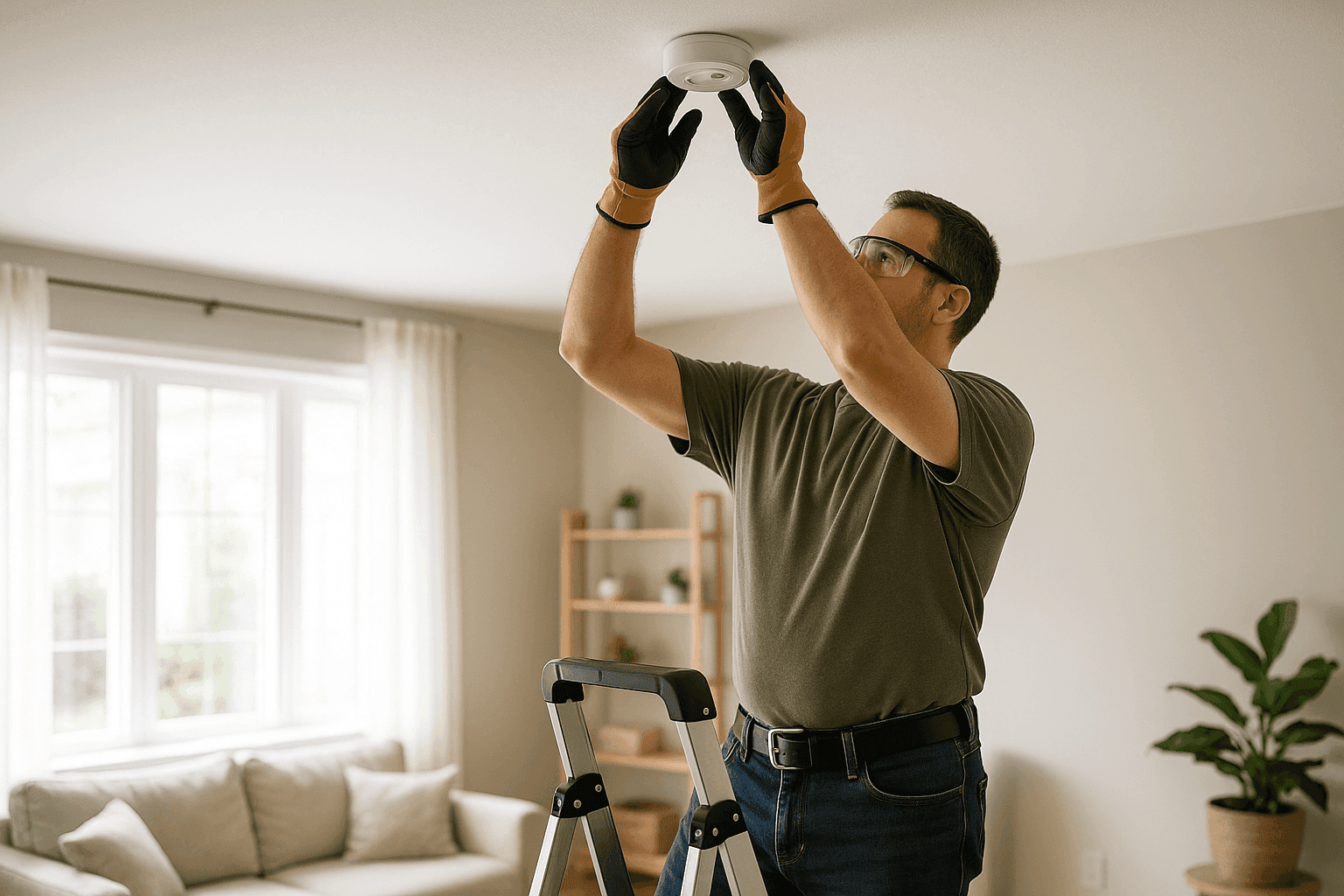
Every home holds precious memories. But a single spark can threaten it all. House fires don’t discriminate—they strike in winter’s chill, summer’s heat, or during busy holidays. Fire safety isn’t about paranoia; it’s about smart protection.
At SM & Son Restoration, we see firsthand how quickly fire_damage can upend lives. Prevention saves not just property, but peace of mind. Here’s a practical guide, season by season, to help keep your home—and those in it—safe all year.
How House Fires Start: A Year-Round Threat
Fires don’t have favorite months. Each season brings unique risks, from space heaters in January to grilling in May. A forgotten candle or a faulty extension cord can turn comfort into chaos. According to the National Fire Protection Association (NFPA), most house fires stem from everyday activities—cooking, heating, electrical, and careless storage of flammable items.
Staying vigilant isn’t just smart; it’s necessary. Let’s break down what to watch for, season by season.
Winter: Heating Hazards and Electrical Overload ❄️
Space Heaters & Furnaces
- Keep anything flammable (blankets, curtains, papers) at least three feet from heaters.
- Turn off portable heaters before leaving a room or going to sleep.
- Get furnaces serviced annually by a licensed technician.
Fireplace & Chimney Care
- Have chimneys swept before cold season begins.
- Use a sturdy screen to stop sparks.
- Ashes should cool before disposal—in a metal container, never plastic.
Electrical Safety & Temporary Power
- Avoid daisy-chaining extension cords.
- Don’t overload outlets, especially with high-draw items like heaters.
- When using Temporary Power near you after a storm or outage, only plug in essentials and follow manufacturer instructions.
Smoke Detector Maintenance
- Test detectors monthly.
- Replace batteries at least once a year, or when the time changes.
- Replace units every 10 years, per U.S. Fire Administration guidelines.
Spring: Outdoor Fires & Grilling Risks 🌱
Grill and Fire Pit Safety
- Place grills well away from siding, deck rails, and overhanging branches.
- Clean grease traps before each use.
- Never leave a lit grill unattended.
Yard Cleanup & Flammable Storage
- Store gasoline and propane outside, in approved containers.
- Dispose of oily rags in metal cans, not piles in the garage.
Inspect Outdoor Power Sources
- Check extension cords for damage before plugging in garden tools or lights.
- Keep outdoor outlets covered and dry.
- Call a pro for any issues with Temporary Power connections.
Summer: Storms, Wildfires, and Vacation Risks ☀️
Lightning and Power Surges
- Unplug electronics during severe storms.
- Use surge protectors for sensitive equipment.
Wildfire Readiness
- Clear dead vegetation within 30 feet of your home.
- Store firewood and propane tanks at least 10 feet away from structures.
- Install spark arrestors on chimneys.
Vacation Preparation
- Don’t leave appliances running when away.
- Ask a neighbor to check your home periodically.
- Turn off Temporary Power generators if not needed.
Holidays: Candles, Decorations, and Gathering Hazards 🎄
Candle & Lighting Safety
- Use flameless candles when possible.
- Keep candles at least 12 inches from anything that burns.
- Never leave burning candles unattended.
Safe Decorating
- Inspect holiday lights for frayed wires or broken bulbs.
- Only use indoor-rated lights inside.
- Don’t overload circuits or use damaged extension cords.
Cooking Vigilance
- Stay in the kitchen when frying, grilling, or broiling food.
- Keep a lid nearby to smother small grease fires.
Home Fire Safety Checklist
- [ ] Test all smoke and carbon monoxide detectors monthly.
- [ ] Clean dryer lint trap after each use.
- [ ] Store flammable liquids in original containers, away from heat.
- [ ] Create and practice a home fire escape plan.
- [ ] Service heating equipment annually.
- [ ] Secure Temporary Power and generator setups per code.
- [ ] Keep matches and lighters out of children’s reach.
- [ ] Check cords for damage; never run cords under rugs.
- [ ] Ensure outdoor grills and fire pits are at a safe distance.
- [ ] Schedule regular fire risk assessments.
Signs Your Home Faces Elevated Fire Risk
- Outlets feel warm or spark when used.
- Breakers trip often, or fuses blow repeatedly.
- You smell burning odors with no clear source.
- Appliances or electronics overheat.
- Excessive dust or cobwebs around electrical panels.
- Evidence of rodents (chewed wires).
- Chimney soot buildup or smoke stains.
If you notice these warning signs, act fast. Small issues become major fire_damage in the blink of an eye.
DIY Fire Safety vs. When to Call a Professional
What Homeowners Can Do
- Regularly test detectors and alarms.
- Follow manufacturer instructions on all appliances.
- Store flammable materials correctly.
- Keep exits clear at all times.
When to Call a Pro
- Electrical problems (sparks, flickering, tripped breakers).
- Furnace or chimney issues.
- After any fire—even small—have the area inspected.
- For Temporary Power near you, call licensed electricians or restoration experts.
Attempting complex repairs or ignoring warning signs quickly becomes risky. Sometimes, the safest move is picking up the phone.
What Professionals Do on Arrival
When you call SM & Son Restoration for fire_damage or risk assessment, here’s what to expect:
- Thorough Damage Assessment: Identify hidden hazards, structural or electrical.
- Temporary Power Setup: Safe, code-compliant solutions to restore essentials quickly.
- Board-Up and Stabilization: Secure windows, doors, and damaged areas to prevent further harm.
- Smoke and Soot Removal: Specialized equipment to clean air and surfaces.
- Content Cleaning & Technical Reconditioning: Salvage and restore personal belongings where possible.
- Environmental Services: Remove lingering odors, control corrosion, and keep your home safe for return.
We use industry standards set by organizations like the Institute of Inspection Cleaning and Restoration Certification (IICRC) and NFPA to guide every step.
Fire Prevention & Maintenance: A Yearly Routine
- Schedule annual inspections for major systems (heating, electrical, chimney).
- Replace aging appliances, cords, and detectors.
- Update and practice your family’s escape plan each season.
- Keep emergency numbers (including SM & Son Restoration) handy.
- Install and maintain fire extinguishers on every floor.
Professional fire risk assessments can spot hazards you might overlook. Think of them as a regular health checkup for your home—not a luxury, but a necessity.
Costs & Time Factors: What to Expect
Fire prevention can be affordable—smoke detectors and fire extinguishers are a small price for safety. Annual professional inspections range in time and cost, depending on your home’s size and needs.
Restoration and fire_damage repairs, on the other hand, are far more costly and disruptive. Recovery can take days to months, depending on severity. The best investment is always in prevention and prompt action at the first sign of trouble.
When It’s an Emergency
- Get everyone out. Don’t stop to collect belongings.
- Call 9-1-1 immediately.
- Only use a fire extinguisher if the fire is small and you have a clear escape route.
- Never re-enter a burning building.
After the immediate danger, call professionals for board-up, Temporary Power near you, and assessment. Fast action keeps minor incidents from turning into major loss.
Frequently Asked Questions
How often should I test smoke detectors?
Test monthly, change batteries at least annually, and replace the units every 10 years, following USFA guidelines.
Is it safe to use extension cords for heaters or appliances?
No. Extension cords are for temporary use only and can overheat, leading to fire. Plug high-draw appliances directly into wall outlets.
What’s the safest way to store gasoline or propane?
Always store in approved containers, outside, and away from living areas or heat sources.
Can I clean up smoke or soot myself after a small fire?
Light cleaning is possible, but smoke and soot can penetrate surfaces and pose health risks. Professional cleaning ensures thorough removal and safety.
Local & Seasonal Considerations
Every region faces unique fire risks—dry summers, heavy winter storms, or storm-related power outages. Adapt your fire safety plan to your local climate:
- In wildfire-prone areas, clear brush and maintain defensible space.
- For regions with severe storms, review Temporary Power protocols and surge protection.
- Adjust your checklist for local building codes and insurance requirements.
Staying proactive means adjusting your routine as the seasons—and risks—change.
Protecting your home from fire_damage is an ongoing effort. There’s no magic shield, but with the right steps, most fires can be stopped before they start. If you need help, advice, or emergency services, SM & Son Restoration is ready—24/7.
Call SM & Son Restoration now — or reach us anytime at 844-494-1784 .