Emergency Fire Damage Guide: What to Do Before Help Arrives
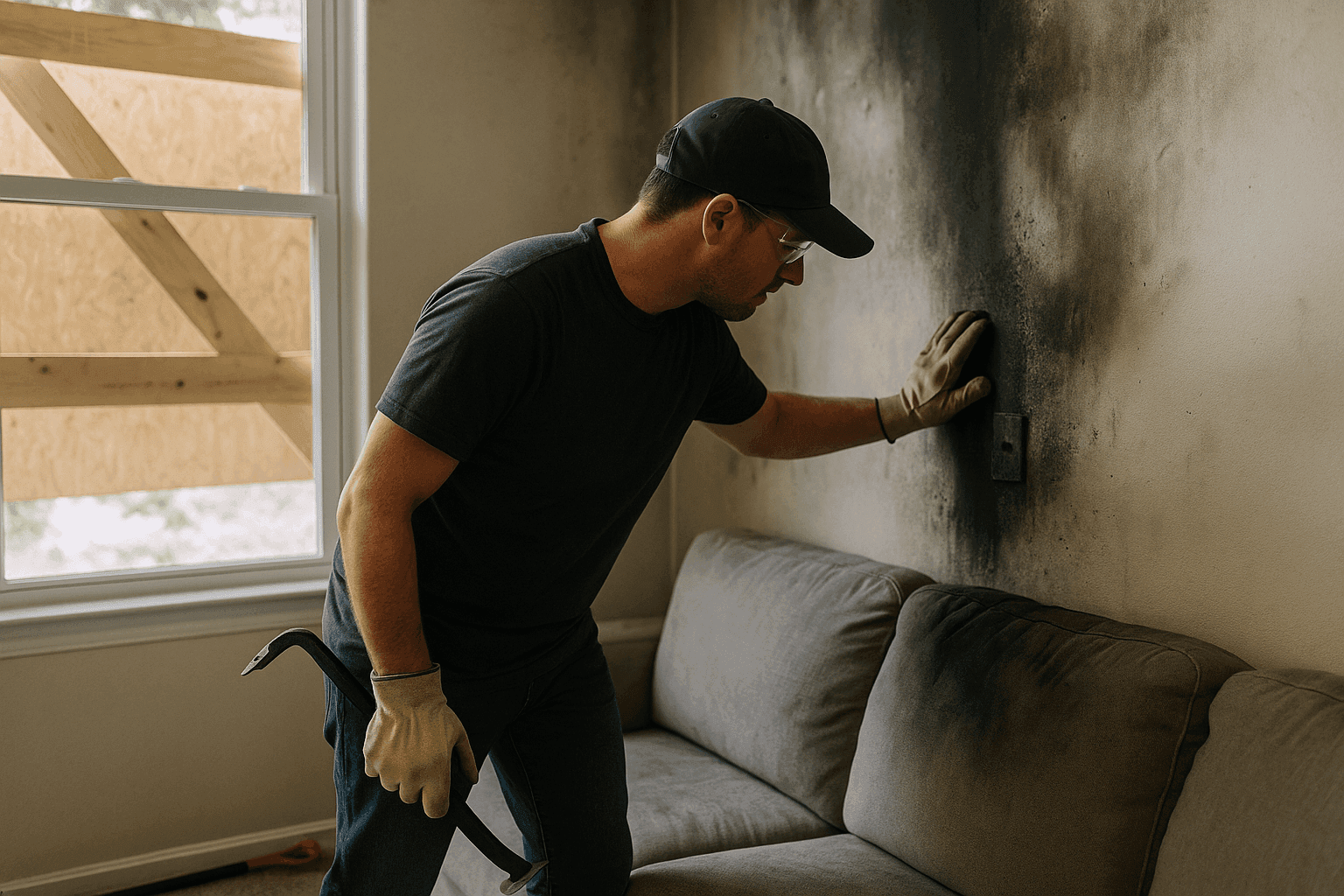
When fire strikes, time seems to freeze. The air is thick with worry, and every second feels heavy. You want to protect your loved ones and your home—but what do you do before help arrives?
At SM & Son Restoration, we know how overwhelming emergency fire damage can be. Our team is ready 24/7, but your actions in those first moments can make a real difference. Here’s what every homeowner should know.
Ensuring Safety First 🛑
Before anything else, safety comes first. No belongings are worth risking your life or health. Fires leave behind more than charred walls—smoke, heat, and hidden hazards linger long after the flames are out.
Quick Safety Steps:
- Check for injuries. Call emergency services if anyone is hurt. Even minor burns or smoke inhalation need medical attention.
- Watch for hidden dangers. Structural damage isn’t always obvious. Floors may be weak, ceilings unstable, or glass scattered.
- Don’t re-enter unsafe areas. If the fire department says it’s unsafe, stay out. Toxic gases and unseen hazards can linger.
- Turn off utilities if safe. If you can access the main shut-off for gas, electricity, or water without risk, do so. Otherwise, wait for professionals.
- Evacuate if needed. If you smell gas, see heavy smoke, or feel unsure, leave immediately and wait for help.
Tip: The National Fire Protection Association (NFPA) recommends having a family escape plan and practicing it twice a year. Fires move fast—knowing your exits saves lives.
Securing Your Property
Once everyone is safe, it’s time to think about your home. Fires can leave your property exposed to weather, animals, and even unwanted visitors.
Board-Up and Fencing Basics:
- Emergency board-up: Cover broken windows and doors with plywood if you can do so safely. This keeps out rain and animals.
- Temporary fencing: If the fire has left large openings or compromised walls, consider temporary fencing to keep the area secure.
- Electrical hazards: Water from firefighting can mix with exposed wiring. Don’t touch electrical panels or cords.
- Temporary power: Only use generators or temporary power solutions if you’re sure the area is safe and dry.
Seasonal Note: Around holidays, string lights and candles increase fire risks. In stormy seasons, wind and rain can worsen damage after a fire. Quick action helps limit further harm.
Preventing Further Damage
Fire is only the beginning. Water from firefighting, lingering smoke, and soot can cause even more trouble if left unchecked.
What You Can Do:
- Open windows (if safe). Ventilate the area to help clear out smoke and reduce odors.
- Remove valuables. Take undamaged items (like important papers or photos) to a dry, smoke-free spot.
- Avoid touching soot. Oils from your skin can set stains permanently.
- Don’t use household vacuums. Soot particles are tiny and can clog or spread further.
- Limit movement. Walking around can grind soot into floors and carpets.
Professional Steps:
- Water extraction: Trained crews use powerful pumps and vacuums to remove standing water.
- Dehumidification: Industrial dehumidifiers help prevent mold and further structural weakening.
- Smoke and soot removal: Specialized equipment, like HEPA air scrubbers and chemical sponges, lift soot from walls and air.
Reference: The Institute of Inspection Cleaning and Restoration Certification (IICRC) sets standards for these processes—another reason to call in certified help.
Preparing for Restoration Professionals
The more information you can provide, the smoother the restoration process will be. Here’s how to help the experts help you.
What to Gather:
- Insurance policy details: Have your policy number and agent’s contact info handy.
- Photos and notes: Take pictures of all visible damage before moving or cleaning anything. Jot down what happened and when.
- List of affected items: Make a quick inventory of damaged belongings—furniture, electronics, clothing, etc.
- Contact info: Make sure everyone in your household knows who to call and where to meet.
Tip: Restoration teams like SM & Son Restoration work directly with insurance adjusters. Your documentation helps speed up the claims process.
Seasonal Fire Risks & Storm Complications
Fires don’t wait for a convenient time. During holidays, overloaded outlets and candles are common culprits. Storms can knock out power, spark electrical fires, and leave roofs vulnerable to rain after a blaze.
- Holiday tip: Check that decorations and extension cords are in good condition.
- Storm tip: After a fire, cover roof holes or broken windows to prevent water intrusion.
Being aware of these seasonal risks can help you act even faster if disaster strikes.
FAQ: Emergency Fire Damage
How soon should I call for help after a fire?
Immediately. The sooner restoration begins, the less damage your home and belongings will suffer.
Can I stay in my home after a minor fire?
Only if the fire department says it’s safe. Smoke and soot can be harmful even if the fire was small.
What about the smell?
Odor removal is a specialized process. Professional equipment and treatments are needed to fully eliminate smoke odors.
Will my insurance cover all the damage?
Coverage varies. Document everything and contact your insurance company as soon as possible.
When to Call a Professional
DIY efforts can help in the first moments, but emergency fire damage is like an iceberg—what you see is only part of the problem. Hidden moisture, lingering smoke, and weakened structures need expert attention.
- Structural stabilization: Professionals assess and shore up walls, ceilings, and floors.
- Technical reconditioning: Electronics, appliances, and delicate items require special cleaning.
- Content cleaning and pack-out: Damaged belongings are cleaned and stored offsite for safety.
What Restoration Pros Do on Arrival
When SM & Son Restoration arrives, our team moves quickly:
- Damage assessment: We inspect every corner—floors, walls, roof, and contents.
- Board-up and fencing: We secure the property to prevent further loss.
- Water extraction and dehumidification: We remove water and start drying to stop mold.
- Smoke and soot removal: Using professional tools, we clean air and surfaces.
- Odor and corrosion control: We treat materials to prevent lingering smells and rust.
- Content cleaning and pack-out: We inventory, clean, and store your valuables safely.
- Remote monitoring: We track moisture and progress to ensure thorough restoration.
Our goal is to restore, not just repair, your peace of mind.
Costs & Time Factors
Every fire is different. The cost and timeline depend on:
- Extent of damage: A kitchen fire with heavy smoke is different from a small electrical fire.
- Size of home: Larger homes take more time and resources.
- Type of materials affected: Hardwood, drywall, and electronics all require different techniques.
- Insurance coverage: Your policy may cover some or all of the restoration process.
Restoration can take anywhere from a few days to several weeks. The sooner you start, the less time and money it usually takes.
Special Considerations for Homeowners
- Temporary power and fencing: If your home is unsafe, professionals can provide temporary solutions to protect your property.
- Environmental services: Fire can release hazardous materials. Certified teams know how to handle and dispose of them safely.
- General contracting: Full restoration may require rebuilding walls, roofs, or entire rooms.
- Remote monitoring: Advanced tools help track drying and ensure no hidden moisture remains.
Final Thoughts
Facing emergency fire damage is never easy. But by focusing on safety, securing your property, and calling in experienced professionals, you give your home—and your family—the best chance to recover.
If you ever find yourself staring at smoke-stained walls and wondering what to do next, remember: You’re not alone. SM & Son Restoration is ready, day or night, to help you through every step.
Call SM & Son Restoration now — or reach us anytime at 844-494-1784 .